How Much Does It Cost to Start a Balcony Garden? A Realistic Budget
This post contains affiliate links. As an Amazon Associate we earn from qualifying purchases, at no extra cost to you.
One of the most common questions from people starting a balcony garden is also the most practical: how much is this actually going to cost? The honest answer is that a balcony garden can cost almost nothing if you’re creative with what you have, or several hundred dollars if you want a polished, well-equipped setup from day one. This guide breaks it down realistically — what you genuinely need, what’s optional, and how to make smart choices at every budget level.
The Non-Negotiables: What You Actually Need
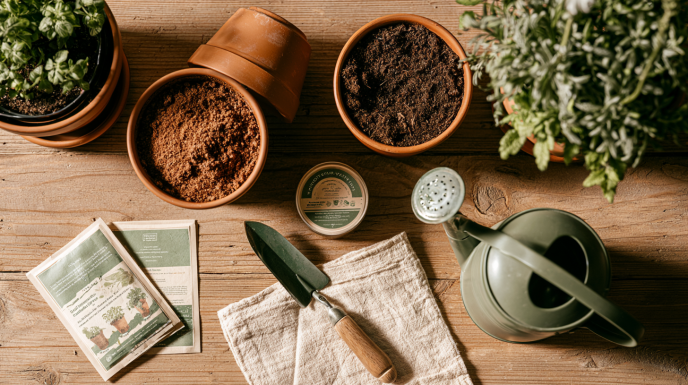
Every balcony garden, however small, needs three things: containers, soil, and plants (or seeds). Everything else is optional.
Containers: $0–$80
This is the most flexible cost in a balcony garden. At the free end, you can repurpose almost anything with drainage holes drilled in: old buckets, tins, wooden crates, olive oil tins, colanders, or even sturdy shopping bags. At the low end, plastic nursery pots are inexpensive and functional — a 5-gallon pot typically costs $3–$5. Fabric grow bags, which promote healthy root development, are $2–$8 each and fold flat for storage. Decorative pots in terracotta, glazed ceramic, or powder-coated metal cost $15–$40+ each depending on size and quality. For a basic starter garden with 3–5 containers, budget $15–$40 if buying new, or $0 if you’re creative with what’s already at home.
Potting Mix: $10–$25
Never use garden soil in containers — it compacts, drains poorly, and is full of weed seeds. A good quality potting mix is essential. A large 40-litre bag costs $10–$20 and fills several medium pots. For vegetables and herbs, look for a mix that includes perlite or vermiculite for drainage. For a small starter garden, one large bag is usually sufficient.
Plants or Seeds: $5–$40
Seeds are much cheaper than starter plants but take longer. A packet of herb or vegetable seeds costs $2–$4 and contains far more seeds than you’ll use in a season — often enough to share. Starter plants from a garden centre cost $3–$8 each for herbs and $5–$12 for vegetable transplants. For instant gratification, starter plants are worth the extra cost. For budget growing, seeds win every time — especially for fast-germinating crops like lettuce, radishes, and herbs.
Useful Extras (Not Strictly Required)
A Watering Can: $8–$25
You need something to water with. A proper watering can with a long rose head gives you more control than a glass or bottle, and makes a real difference with seedlings and herbs. A basic plastic watering can is perfectly functional. A stylish copper or galvanised metal one is lovely but purely aesthetic.
Basic Tools: $10–$25
A small hand trowel and a pair of pruning snips are the two tools you’ll use most. A set of basic garden hand tools typically costs $10–$20 and will last for years. Everything else — dibbers, sieves, widgers — is optional.
Fertiliser: $8–$15 per season
Potting mix contains nutrients that deplete over the growing season. A liquid fertiliser applied every 2–3 weeks keeps plants producing well. Tomato feed works for most vegetables and herbs; a balanced houseplant fertiliser suits ornamentals. One bottle typically lasts an entire season.
Saucers and Drip Trays: $2–$5 each
Important for balconies where drainage water could drip onto a neighbour below. Saucers also protect balcony surfaces from staining. Often overlooked but worth budgeting for.
Three Realistic Budget Levels
Starter Garden: ~$40–$60
Three fabric grow bags or repurposed containers, one large bag of potting mix, two or three packets of seeds (herbs and salad leaves), a basic watering can, and a hand trowel. This gives you a functional, productive little herb and salad garden. No frills, but genuinely rewarding.
Mid-Range Garden: ~$100–$200
Five to eight quality pots in a consistent style, two bags of potting mix, a mix of starter plants and seeds, a liquid fertiliser, a proper watering can, basic tools, saucers, and perhaps a small railing planter or hanging basket for extra growing space. A well-stocked, attractive balcony garden that produces generously through the season.
Premium Garden: ~$250–$500+
Self-watering planters (which significantly reduce watering frequency), a vertical wall system or railing trough system for maximum growing space, decorative pots that match a cohesive design, a grow light for any shaded corners, a drip irrigation timer, and a wide plant selection. A genuinely polished, largely self-managing balcony garden that looks designed rather than assembled.
Ongoing Annual Costs
After your initial setup, the yearly costs are much lower:
- Fresh plants or seeds: $15–$40 depending on how much you grow from seed versus buying new starts
- Potting mix top-up: $10–$15 to refresh the top few inches of existing containers
- Fertiliser: $8–$15 for a season’s supply
- Replacement tools or pots: $0–$20 (most good quality items last several years)
Total ongoing cost: typically $35–$90 per year for an established balcony garden — significantly less than the initial setup.
The Biggest Ways to Save Money
- Grow from seed rather than buying plants: A packet of basil seeds for $3 produces 50+ plants. A basil starter costs $4 and is one plant.
- Repurpose containers: Anything watertight with drainage holes can be a pot. Drill holes in tins, buckets, or crates.
- Propagate from cuttings: Many herbs (mint, rosemary, sage, basil) root easily in a glass of water. Free plants from your existing ones.
- Buy in bulk: A large bag of potting mix is always cheaper per litre than small bags.
- Start small: Three well-chosen pots will teach you far more than a crowded balcony of plants you can’t manage, and cost a fraction of the price.
Start Where You Are
The most important thing about a balcony garden budget is that it doesn’t need to be large to get started. A $40 investment in three grow bags, a bag of soil, and a packet of herb seeds is genuinely enough to begin — and it will tell you far more about what you enjoy growing and what works in your space than any amount of planning. Expand from there, season by season, and let your garden grow at its own pace.