Best Vertical Garden Systems for Small Balconies
This post contains affiliate links. As an Amazon Associate we earn from qualifying purchases, at no extra cost to you.
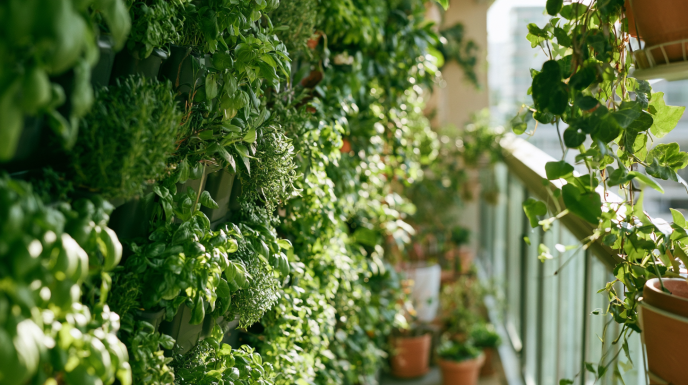
When your balcony is the size of a doormat, conventional gardening wisdom — spread things out, give each plant space — simply doesn’t apply. The answer for small-balcony gardeners is to grow vertically: up the walls, along the railings, in stacked columns and hanging panels. A good vertical garden system lets you grow a surprising number of plants without sacrificing the walking room or sitting space you actually need. Here’s how to choose the right one.
Why Vertical Gardening Is the Small-Balcony Secret Weapon
A standard large pot takes up a square foot of floor space and holds one plant. A wall-mounted pocket planter the same width holds eight to twelve plants and takes up zero floor space. That trade-off — floor area exchanged for vertical real estate — is what makes vertical systems so powerful on small balconies. Beyond space efficiency, vertical gardens also raise plants to eye level (where you can actually enjoy them), create a natural privacy screen from overlooking neighbours, and turn a bare concrete wall into a living feature. For renters, most systems require no permanent fixings — they hang from railings or lean against walls, and move with you when you leave.
Types of Vertical Garden Systems
Fabric Pocket Planters
Felt or canvas panels with rows of planting pockets, designed to hang on a wall, fence, or balcony railing. The most affordable option ($15–$40) and extremely lightweight — important on balconies with weight restrictions. The pockets hold individual plants and can be planted with herbs, trailing flowers, strawberries, lettuce, or succulents. The main drawback is that fabric pockets dry out quickly in warm weather, so they need frequent watering — a self-watering version or a drip line attached to the top significantly reduces the maintenance burden.
Stackable Pot Towers
Interlocking pot sections that stack vertically into a column, typically holding 4–8 plants in the footprint of a single large pot. Excellent for strawberries, herbs, and trailing flowers. More structured and stable than fabric panels, with better soil volume per plant. Some designs include a central watering tube that distributes water from the top down through each layer — highly convenient. Cost: $20–$60 depending on height and quality.
Railing Planters
Troughs or individual pots designed to hook or clamp over a balcony railing. These take advantage of the railing structure rather than needing wall fixings, making them perfect for renters. Window box-style railing planters give you a continuous green edge along the full length of your railing. Some designs sit on top of the rail; others hang below. Great for trailing plants that cascade attractively downward — petunias, lobelia, nasturtiums, and ivy all work beautifully. Cost: $15–$50 per trough.
Modular Wall Panel Systems
Rigid grid or frame systems with clip-in individual pots that mount to a wall. The most polished and customisable option — you arrange pots in whatever pattern suits your space and can rearrange them as needed. Many systems include drip trays or integrated irrigation. The pots are easy to remove individually for replanting without disturbing the whole system. More expensive than fabric panels ($60–$200+) but durable, attractive, and genuinely long-lasting.
Hanging Tiered Planters
Multiple baskets or tiers suspended from a single hook or bracket. Create a cascading column of plants in the air rather than against a wall. Good for a corner, an overhang, or a ceiling bracket. Plants that trail or cascade — strawberries, petunias, string of pearls, nasturtiums — look particularly beautiful in hanging tiered systems. Cost: $20–$50.
Trellis with Climbers
Not a planting system in itself, but a framework that lets climbing plants create their own living wall. A freestanding or wall-leaning trellis panel combined with a fast-growing climber in a pot at its base is one of the most cost-effective vertical garden options. Within a single growing season, a jasmine, clematis, or climbing bean can cover a full trellis panel. Provides screening as well as growing space. Cost: $15–$40 for the trellis plus the cost of the pot and plant.
Key Features to Look for Before Buying
Drainage and Drip Management
Water moves downward in a vertical system. This is both an advantage (top plants can water lower ones) and a potential problem (excess water dripping off your balcony onto a neighbour below). Look for systems with integrated drip trays, overflow holes at the back, or a design that contains drainage within the system itself. If you’re on an upper-floor balcony, this is especially important.
Weight When Fully Planted
Wet soil is significantly heavier than dry soil — a fully planted, freshly watered vertical system can weigh considerably more than you’d expect. Check your balcony’s weight rating and the load capacity of your wall or railing before choosing a large system. Fabric pockets and lightweight plastic systems are the safest choice if weight is a concern; heavy terracotta or ceramic alternatives should be avoided in these situations.
Material Durability Outdoors
Your system will be exposed to sun, rain, wind, and temperature swings year-round. UV-stable plastic and powder-coated steel hold up well; thin, unrated plastic warps and becomes brittle within a season in strong sun. Felt pocket planters are generally robust but can develop mould in very damp climates if not dried out between watering. Check product reviews specifically for outdoor durability.
Ease of Watering
Vertical gardens dry out faster than ground-level pots, particularly in summer heat. Systems with a top reservoir or drip irrigation port make watering much easier — fill the top and water travels down through all the pockets or layers. For systems without this, plan for daily hand watering in warm weather, or attach a simple drip irrigation line on a timer.
Best Plants for a Balcony Vertical System
- Herbs: Basil, parsley, mint, chives, thyme — all compact and productive in shallow pockets.
- Trailing flowers: Petunias, lobelia, bacopa, and nasturtiums cascade beautifully and bloom prolifically.
- Strawberries: One of the most rewarding vertical crops — fruits hang free of the soil and are easy to pick.
- Lettuce and salad leaves: Fast-growing, shallow-rooted, and productive. Harvest outer leaves and they keep producing.
- Succulents: For sunny, dry walls. Choose small varieties that stay compact in shallow pockets.
- Pansies and violas: Compact, prolific, and available in beautiful colours. Excellent for spring and autumn displays.
Position sun-lovers at the top of the system where light is strongest, and shade-tolerant plants lower down where the upper layers cast shadow.
Care Tips for a Thriving Vertical Garden
Vertical gardens need more consistent attention than pots on the ground, mainly around watering and feeding. Water more frequently than you think necessary — check the moisture level in pockets daily in warm weather. Feed every 1–2 weeks with a liquid fertiliser, since frequent watering flushes nutrients out of the limited soil volume quickly. Trim and harvest regularly to keep plants compact and productive rather than straggly. Replace any plants that don’t thrive — in a visible vertical system, one struggling plant draws the eye.
Start with One Panel and Grow From There
You don’t need to cover your entire balcony in one go. Start with one fabric pocket panel or railing trough in the spot that gets the best light and where you most want greenery. Plant it with herbs you actually cook with or flowers you love, get a feel for the watering rhythm, and expand from there. A single well-planted vertical panel can transform the feel of a small balcony — and once you see how much growing space it creates, you’ll want more.