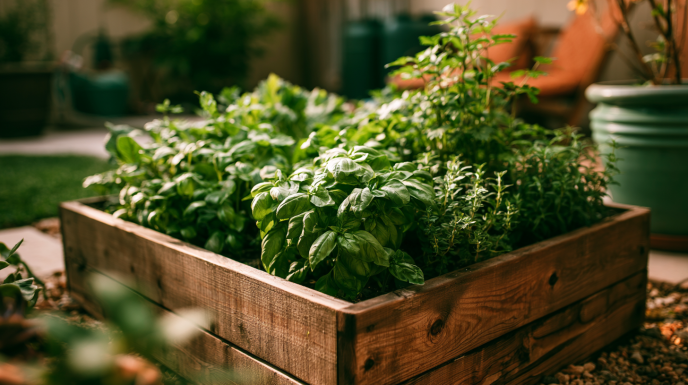
Best Raised Garden Beds for Small Yards: A Buyer’s Guide
This post contains affiliate links. As an Amazon Associate we earn from qualifying purchases, at no extra cost to you.
Raised garden beds are one of the best investments a small-space gardener can make. They solve several common gardening problems at once — poor soil, persistent weeds, hard-to-reach ground, and the general untidiness of an unstructured garden plot. Whether you’re working with a compact backyard, a paved patio, or no garden soil at all, a well-chosen raised bed can turn the space into something genuinely productive and beautiful. Here’s everything you need to choose the right one.
Why Raised Beds Work So Well
The case for raised beds is compelling, especially in small spaces:
- You control the soil completely. Fill it with exactly the right mix — no battling with clay, chalk, or compacted ground that drains badly or starves your plants.
- Fewer weeds. Weed seeds don’t travel up into an elevated bed the way they spread across open ground. You’ll still get some, but far fewer.
- Better drainage. Raised beds rarely get waterlogged, which most vegetables strongly prefer.
- Warmer soil. Elevated beds warm up faster in spring, giving you earlier planting dates and a longer growing season.
- Less bending and kneeling. Taller beds — especially standing planters at table height — make gardening genuinely comfortable for people with back or knee problems.
- Cleaner and tidier. A well-made raised bed looks neat and contained, which matters in a small yard where every element contributes to the overall look.
- Higher yields. Intensively planted raised beds consistently out-produce the same area of traditional in-ground beds, because you can optimise spacing and soil quality precisely.
Choosing the Right Material
The material your bed is made from affects its longevity, appearance, weight, and cost. Here are the main options:
- Cedar and redwood: The classic choice. Naturally rot-resistant, attractive, and long-lasting — a good cedar bed can last 10–20 years. More expensive than other wood but worth it for a permanent installation.
- Treated pine or fir: Cheaper than cedar but will rot faster. Modern pressure-treated timber is safe for vegetable gardens; older CCA-treated wood is not.
- Galvanized steel: Increasingly popular for its clean, modern look and exceptional durability. Won’t rot, splinter, or warp. Slightly more expensive upfront but essentially permanent.
- Fabric grow bags: Not a “bed” in the traditional sense, but very practical. Lightweight, portable, cheap, and excellent for root aeration. Great for renters or anyone who wants to try raised bed growing before committing to a permanent structure.
- Composite or recycled plastic: Low-maintenance, weather-resistant, and comes in various wood-look finishes. Lighter than real wood and requires no treatment or sealing.
- Corrugated metal panels (DIY): A budget option that looks great with the right styling. Pair with wooden corner posts for stability.
Getting the Size Right
Width is the most important dimension to get right. You should be able to reach the centre of the bed from either side without stepping into it — stepping in compacts the soil and undoes much of the benefit of raised growing. A width of 3–4 feet (90–120cm) is the sweet spot for most people. Length is flexible — longer beds give you more growing space, but make sure you can reach over or around the ends if they’re against a wall or fence.
For height, here are the general guidelines:
- 6 inches (15cm): The minimum for shallow-rooted crops like lettuce, herbs, and strawberries.
- 12 inches (30cm): Suits most vegetables, including tomatoes, peppers, and beans.
- 18–24 inches (45–60cm): Ideal for root vegetables and comfortable working height for most people.
- 30–36 inches (table height): Standing planters — perfect for people with limited mobility and for patio use where you can’t dig into the ground below.
Filling Your Raised Bed
The filling is where most of the long-term value comes from. Don’t cut corners on soil quality — a well-filled raised bed will reward you for years. A good starting mix for most vegetables is:
- 60% quality topsoil or loam
- 30% mature compost or bagged garden compost
- 10% perlite or coarse grit for drainage
For very deep beds, save on expensive topsoil by filling the bottom third with logs, branches, straw, or cardboard — this is called the “hügelkultur” method. The organic material breaks down over time, improving drainage and feeding your soil from below. Top with your quality growing mix.
Add a fresh layer of compost each spring and the bed will keep improving year after year.
What to Grow in a Small Raised Bed
Almost everything grows well in raised beds, but in a small space, focus on high-value crops — things that are expensive to buy, picked fresh at peak flavour, or that produce heavily over a long season:
- Tomatoes and cherry tomatoes
- Salad leaves and cut-and-come-again greens
- Herbs (especially perennial ones like thyme, rosemary, and chives)
- French and runner beans (grow vertically to save space)
- Courgettes (one plant can feed a family)
- Strawberries (productive and beautiful in a raised bed)
- Peppers and chillies (especially good in warm, sheltered spots)
Our Top Picks
Here are the raised bed styles we’d recommend for a small yard, matched to the situations above. Links go to Amazon.
- Cedar raised garden beds — the long-term choice. Best if this is a permanent bed you want to look good for 10+ years.
- Galvanized steel raised beds — modern look, essentially permanent, won’t rot or splinter.
- Elevated standing planters — table height, no bending. The pick if you have back or knee trouble, or you’re growing on a patio.
- Fabric grow bags — cheapest way to try raised-bed growing. Ideal for renters or a first season.
- Raised bed soil mix — don’t skip this. The soil matters more than the bed.
The Bottom Line
A raised garden bed is the single best upgrade most small-space gardeners can make. Choose a width you can reach across, a height that suits your space and your back, and a material that fits your budget and aesthetic. Fill it with rich, well-draining soil, and it will reward you with better harvests, fewer weeds, and a tidy, productive growing area that improves with every season.