Best Hydroponic Systems for Beginners at Home
This post contains affiliate links. As an Amazon Associate we earn from qualifying purchases, at no extra cost to you.
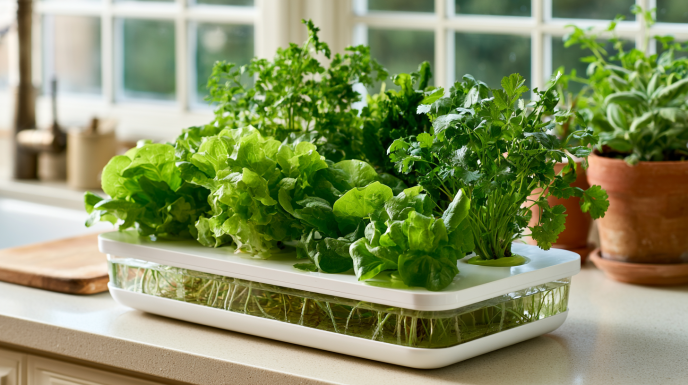
Hydroponics — growing plants in nutrient-rich water instead of soil — sounds complicated, but modern home systems have made it genuinely accessible for beginners. If you’ve ever wanted to grow fresh herbs and salad greens on your kitchen counter year-round, a home hydroponic system is one of the easiest ways to do it. Here’s everything you need to know to choose the right setup and get growing.
How Hydroponics Actually Works
In traditional gardening, plants draw nutrients from soil. In hydroponics, those nutrients are dissolved directly in water, and the plant roots sit in or are regularly bathed in that solution. Because the plant doesn’t have to spend energy searching through soil for food, it can direct all that energy into growth instead — which is why hydroponic plants typically grow 30–50% faster than their soil-grown counterparts. An artificial grow light replaces the sun in most indoor systems, giving you complete control over the growing environment regardless of season or window direction.
Why Try a Home Hydroponic System?
- Faster harvests: Herbs and greens that take 6–8 weeks in soil often reach harvest in 3–4 weeks hydroponically.
- No soil mess: Clean, contained, and perfect for kitchens and apartments.
- Year-round growing: Built-in grow lights mean season and weather are irrelevant.
- Space efficiency: Countertop units take up less room than a chopping board.
- Less water waste: Closed-loop systems recirculate water, using up to 90% less than conventional gardening.
- Consistent results: No variables like soil quality, drainage, or outdoor weather.
Types of Beginner Hydroponic Systems
There are several different approaches to hydroponics. These are the most practical for home beginners:
- Countertop smart gardens (Kratky/all-in-one): The easiest starting point. Units like the AeroGarden come with everything built in — grow lights, a pump, and pre-seeded pods. You just add water and nutrients. Almost impossible to get wrong.
- Deep Water Culture (DWC): Plants sit in net pots above a reservoir of oxygenated nutrient solution, with an air pump keeping it circulating. Simple to set up, inexpensive, and very effective for leafy greens and herbs.
- Wick systems: The most passive and low-tech option. A wick draws nutrient solution up to the plant roots with no pump. Slow and best suited to small herbs, but essentially zero maintenance.
- Nutrient Film Technique (NFT): A thin stream of nutrient solution flows continuously past the roots. More efficient than DWC and great for lettuce, but requires a bit more setup and monitoring.
- Kratky method: A “set and forget” passive DWC variation — no pump, no electricity beyond the light. Fill the reservoir, plant your seeds, and leave it. Great for beginners who want minimal involvement.
What to Look for in Your First System
For a first hydroponic system, simplicity should be your main criterion. Here’s what to consider:
- Grow light included: A system with built-in, timed grow lights removes the most complex variable from the equation. Look for full-spectrum LED lighting.
- Pod or net cup size: More pods means more plants. Systems with 6–12 pods are ideal for a good variety of herbs and greens without taking up too much counter space.
- Nutrient solution: Most beginner systems come with starter nutrients. Once you run out, liquid nutrients designed for hydroponics are widely available and inexpensive.
- Reservoir size: A larger reservoir means less frequent topping up. Look for at least 1–2 litres for a countertop system.
- Timer built in: Automatic light timers prevent the most common beginner mistake — forgetting to turn lights off and stressing your plants.
Best Plants to Start With
Not all plants suit hydroponics equally. These are the most reliable and rewarding for beginners:
- Lettuce and salad leaves: Fast-growing, forgiving, and ready to harvest in 3–4 weeks. The classic beginner crop.
- Basil: Thrives hydroponically, grows quickly, and is one of the most useful kitchen herbs.
- Mint: Vigorous and productive — grows almost too well, which is encouraging for beginners.
- Spinach and kale: Nutritious, fast, and easy. Great in compact systems.
- Chives: Low-maintenance, compact, and useful year-round.
- Cherry tomatoes and peppers: More advanced, but very doable in a larger system once you have the basics down.
Common Beginner Mistakes to Avoid
Overfeeding nutrients. More is not better. Follow the manufacturer’s guidelines exactly and adjust based on how your plants look — yellowing leaves often mean too much or too little of a specific nutrient. Ignoring pH. Hydroponic plants need the water’s pH to stay between 5.5 and 6.5. Most starter systems come with pH drops or test strips — use them weekly. Leaving lights on 24 hours. Plants need a dark period to rest. Aim for 14–16 hours of light and 8–10 hours of darkness for most herbs and greens. Not cleaning the reservoir. Flush and clean your system between grows to prevent algae and mineral buildup.
Is a Home Hydroponic System Worth It?
For anyone who wants fresh herbs and greens year-round in a small space, the answer is yes. A good countertop system costs $50–$150 upfront and then pays for itself relatively quickly in herbs alone — a single pot of supermarket basil costs $2–$3 and lasts a week. A hydroponic system produces continuous harvests for months from a single set of pods. It’s clean, compact, surprisingly satisfying, and once it’s running, takes only a few minutes of attention per week. Start with an all-in-one countertop unit, grow lettuce and basil, and you’ll be a convert within your first harvest.