Mini Greenhouse Gardening: How to Grow More in a Small Space
You do not need a sprawling garden or a big glass greenhouse to enjoy the magic of growing under cover. A mini greenhouse, sometimes just a compact frame with shelves and a zip-up cover, gives you a warm, protected space to start seeds earlier, nurture tender plants, and stretch your growing season at both ends. For anyone gardening on a balcony, patio, or in a tiny yard, it is one of the smartest investments you can make.
Here is how to choose and use a mini greenhouse to grow far more than your space should allow.
Why a Mini Greenhouse Is a Game-Changer
The point of any greenhouse is control. Inside, the air stays warmer, seedlings are shielded from wind and heavy rain, and pests find it harder to reach your plants. That warmth means you can start seeds weeks before it is safe to sow outdoors, giving your tomatoes, peppers, and herbs a valuable head start.
At the other end of the year, a mini greenhouse protects tender plants from early frosts, extending your harvest well into autumn. In a small space, where every plant counts, that extra control translates directly into more food and flowers.
Types of Mini Greenhouse
There are a few main styles, and the right one depends on your space. The most popular for balconies and patios is the portable shelved greenhouse, a lightweight metal or plastic frame with two to four shelves and a clear zip-up cover. It takes up the footprint of a bookshelf and folds away when not needed.
A cold frame is a low, box-shaped structure with a clear hinged lid, perfect for hardening off seedlings and protecting low-growing crops. And a lean-to mini greenhouse sits flat against a wall, using the building’s warmth and saving space. For the smallest spaces, even a clear plastic dome over a single pot works as a mini growing chamber.
Choosing the Right Spot
Position matters enormously. Your mini greenhouse needs as much light as possible, so a south or west-facing wall or corner is ideal. Against a wall, it gains shelter from wind and a little stored warmth from the bricks, which is a real bonus on cold nights.
Crucially, because these frames are lightweight, they must be secured. A gust of wind can tip or lift an unanchored greenhouse and undo weeks of work in seconds. Tie it to a railing, wall bracket, or heavy base, especially on an exposed balcony.
What to Grow Inside
A mini greenhouse earns its keep from early spring. Use it to start seeds of tomatoes, peppers, chillies, cucumbers, and herbs long before the weather warms. These same crops pair beautifully with a plan to grow easy vegetables in a tiny garden once they are ready to move out.
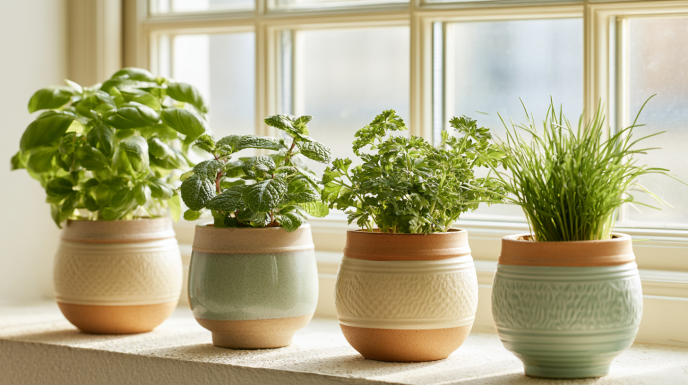
As spring progresses, it becomes a nursery for hardening off young plants, gradually acclimatizing them to outdoor conditions. In summer it can house heat-loving crops that thrive in the extra warmth, and in autumn it shelters late salads and herbs. It is the perfect companion to a container growing setup, and works hand in hand with a windowsill full of salad leaves grown in containers.
Managing Heat and Ventilation
The most common mistake is cooking your plants. On a sunny day, even in cool weather, the temperature inside a closed mini greenhouse can soar dangerously high in under an hour. Ventilation is essential. On warm days, unzip or open the cover to let hot air escape and fresh air circulate, and close it again in the evening to trap warmth overnight.
Watering also needs attention, because the enclosed space and warmth dry pots out faster than you expect. Check the soil daily in the growing season, and water in the morning so foliage dries before the cooler night, which helps prevent mould and disease.
Simple Care for Healthy Plants
Keep the cover clean so maximum light reaches your plants, and wipe down the frame and shelves between seasons to reduce pests and disease. Watch for aphids, which love the sheltered warmth, and deal with them early. Rotate what you grow, and give the whole structure a good clean once a year.
Small Structure, Big Harvest
A mini greenhouse proves that ambition, not acreage, is what makes a productive garden. With a little frame in a sunny corner, you can raise your own plants from seed, protect them from the worst of the weather, and harvest earlier and later than your neighbors with open gardens. For a balcony or tiny yard grower, it might just be the most rewarding few square feet you own. Fill it wisely, ventilate it well, and enjoy a longer, more generous growing season.