Container Vegetable Gardening: Soil, Pots, and Costs Explained
This post contains affiliate links. As an Amazon Associate we earn from qualifying purchases, at no extra cost to you.
Growing your own vegetables doesn’t require a garden bed, a yard, or even much outdoor space. Container vegetable gardening lets you grow food on a balcony, patio, rooftop, or even a sunny windowsill — and with the right setup, the harvest can be genuinely impressive. Whether you’re a complete beginner or just transitioning from ground beds to containers, this guide walks you through everything you need to know about soil, pots, and costs.
Why Containers Work So Well for Vegetables
Containers give you control that in-ground gardening doesn’t. You choose exactly what soil goes in them (no dealing with poor-quality ground soil), you can position them wherever the sun is best, and you can move them as the seasons change or if frost threatens. Containers also tend to drain better than compacted garden soil, which is a genuine advantage for root vegetables and anything that hates sitting in wet ground. The main trade-off is that containers dry out faster and need more frequent watering — but that’s manageable once you build the habit.
Choosing the Right Pots
Pot size is the most critical factor in container vegetable gardening. Too small, and the plant becomes root-bound, stressed, and unproductive. Here are the key guidelines:
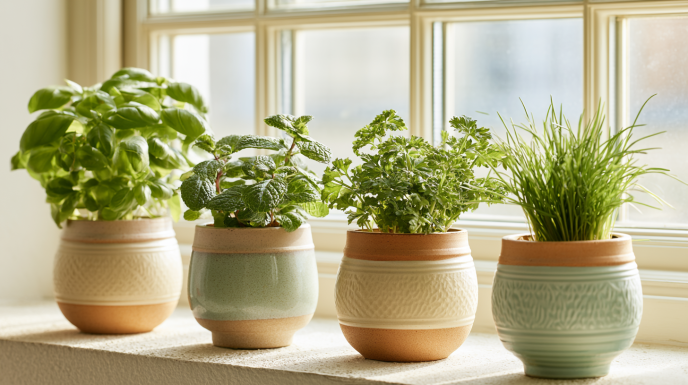
- Herbs (basil, parsley, chives, mint): 6–8 inch pots or larger. Mint should always have its own pot — it spreads aggressively and will crowd out everything else.
- Lettuce, spinach, and leafy greens: At least 8 inches deep, but can be quite wide. Window boxes work very well.
- Tomatoes: Minimum 12–15 litres for cherry varieties; 20+ litres for larger types. Bigger is always better for tomatoes.
- Courgettes and cucumbers: Large containers of at least 20–30 litres. These are hungry, thirsty plants.
- Root vegetables (carrots, radishes, beetroot): Deep containers — at least 30cm / 12 inches. Shorter varieties are bred specifically for containers.
- Peppers and chillies: 10–15 litre containers work well. They’re a great balcony crop.
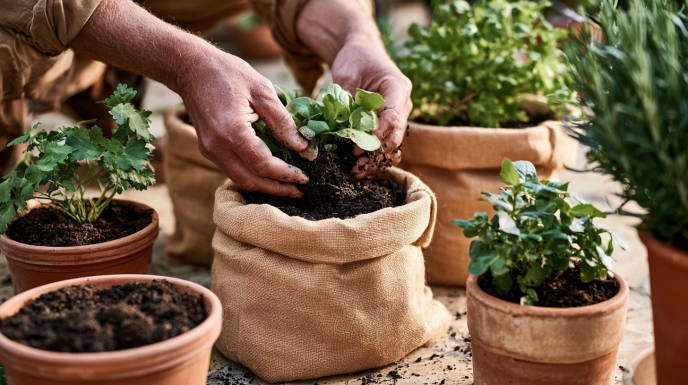
In terms of material, plastic pots are lightweight and retain moisture well — ideal if you’re gardening on a balcony with weight limits. Terracotta looks beautiful but dries out faster and is heavy. Fabric grow bags are excellent for vegetables: they’re cheap, promote healthy root development through “air pruning,” and fold flat for storage in winter.
Getting the Soil Right
This is where many beginners go wrong. Never fill vegetable containers with garden soil — it compacts in pots, drains poorly, and is full of weed seeds. You want a quality potting mix specifically designed for containers. Look for one that includes:
- Perlite or vermiculite: For drainage and aeration
- Coir or peat: For water retention
- Slow-release fertiliser: To feed the plant through the growing season
For heavy feeders like tomatoes, courgettes, and peppers, mix in some perlite to improve drainage and add a granular slow-release fertiliser at planting time. Then supplement with liquid tomato feed every one to two weeks once flowers appear. Soil in containers depletes faster than in the ground, so feeding regularly is essential for a good harvest.
Watering — The Most Important Habit
Container vegetables need more frequent watering than in-ground plants, because pots dry out quickly — especially in warm weather, in unglazed terracotta, or in windy spots. In summer, most vegetable containers will need watering daily, sometimes twice a day for large, thirsty plants like tomatoes. The best test is to push your finger an inch into the soil — if it feels dry, water thoroughly until it drains from the bottom. Shallow watering encourages shallow roots and weakens plants.
If you’re often away or find daily watering difficult, self-watering pots with a built-in reservoir make a significant difference, as do drip irrigation systems that can be set on a timer.
What Does Container Vegetable Gardening Cost?
Here’s a realistic cost breakdown for setting up a small but productive container vegetable garden:
- Pots (3–5 assorted sizes): $20–$60. Fabric grow bags are often cheapest at $2–$5 each.
- Quality potting mix (large bag): $15–$25
- Seedlings or transplants (6–8 plants): $15–$30 from a garden centre
- Seeds (optional, much cheaper long-term): $2–$4 per packet
- Fertiliser (liquid feed): $8–$15 for a season’s supply
- Saucers and basic tools: $10–$20
Total setup cost: roughly $70–$150 for a productive small-space vegetable garden. In subsequent years, the main costs are soil refresh and plants — considerably less.
Best Vegetables to Start With
If you’re new to container growing, start with forgiving, productive crops that reward beginners quickly:
- Cherry tomatoes: Prolific, easy, and deeply satisfying to pick
- Salad leaves and cut-and-come-again lettuce: Harvest in 4–6 weeks
- Herbs: Instant reward, used daily, easy in small pots
- French beans: Climb well in containers, highly productive
- Chillies and peppers: Thrive in hot, sunny balcony spots
- Radishes: Ready in 3–4 weeks — perfect for impatient gardeners
Start Small and Grow From There
Container vegetable gardening is one of the most rewarding things you can do with a small outdoor space. Start with three or four pots of your favourite crops, get your watering and feeding routine established, and see what happens. Most people find that the first successful harvest — even just a handful of cherry tomatoes or a bowl of salad — is enough to convince them to expand the following year. You don’t need much space. You just need to start.