Miniature Alpine Gardens: How to Plant a Trough Garden for Small Spaces
If you love the idea of a rock garden but only have a balcony, a doorstep, or a few square feet of patio, a miniature alpine garden is the perfect answer. Alpine plants are the tough little survivors of the mountain world — compact, slow-growing, and endlessly charming. Grown in a shallow trough, a whole landscape of them can live happily in a container no bigger than a window box. It is one of the most rewarding small-space projects there is, and once planted, it asks for almost nothing in return.
What Is an Alpine Trough Garden?
An alpine trough is simply a shallow, wide container planted with a collection of small mountain and rock-garden plants. Traditionally these were made in old stone sinks and animal troughs, which is where the name comes from. Today you can use a purpose-made stone or hypertufa trough, a shallow terracotta bowl, or even a sturdy plastic planter dressed up with a rough coat of paint.
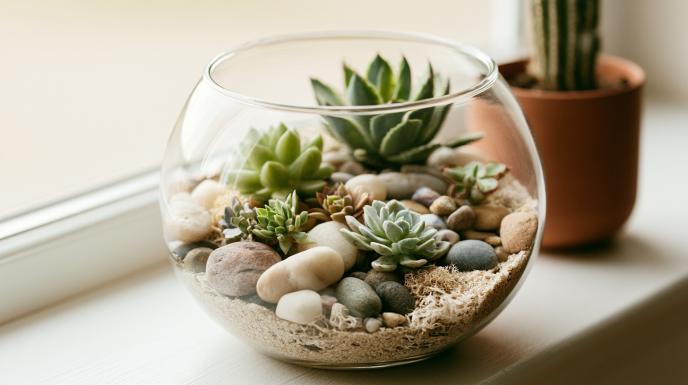
The magic of the trough is scale. Because alpine plants stay tiny, a single container becomes a complete miniature landscape — rocky outcrops, cushions of green, and a scatter of jewel-like flowers in spring. It has the same appeal as a succulent fairy garden, but built from hardy plants that shrug off frost and stay outside all year.
Choosing the Right Container
Depth matters less than you might think — most alpines are shallow-rooted, so 4 to 6 inches of soil is plenty. What matters far more is drainage. Alpine plants come from thin, rocky mountain soils and will rot quickly if they sit in wet compost.
Look for a container that is wide and shallow rather than deep, and make sure it has one or more generous drainage holes. If your trough only has a small hole, drill a few extra. A wide shape also gives you room to create contours and tuck in rocks, which is half the fun.
The Right Soil Mix
This is the single most important step. Ordinary potting compost holds far too much water for alpines. Instead, aim for a free-draining, gritty mix. A reliable recipe is roughly one part multipurpose or loam-based compost to one part horticultural grit or coarse sand. Some growers go even grittier, up to half grit, for the fussiest cushion plants.
Cover the drainage holes with a layer of broken pot pieces or coarse gravel first, then fill with your gritty mix, leaving an inch or so at the top for a decorative gravel mulch later.
Best Plants for a Miniature Alpine Garden
The joy of a trough is combining textures and shapes. Aim for a mix of low cushions, tiny upright plants, and one or two miniature shrubs or conifers to give height. Some of the most reliable choices for beginners include:
Sempervivums (houseleeks) — rosette-forming, almost indestructible, and available in dozens of colors. They spread slowly into neat clumps.
Saxifrages — form tight green cushions covered in small starry flowers in spring. Perfect for softening the edge of a rock.
Sedums — low, spreading, and drought-proof, they knit the gaps between other plants together.
Thymes — creeping alpine thymes add fragrance and flower well in poor soil.
Dwarf dianthus — miniature pinks that give you a burst of color and a light clove scent.
A dwarf conifer — one small slow-growing conifer gives the planting a sense of scale, like a single tree on a mountainside.
Planting Step by Step
Start by placing your largest rocks first, half-burying them so they look natural and create little planting pockets. Angle a few to suggest a rocky slope. Then position your plants while they are still in their pots to work out the arrangement before you commit.
Plant the tallest feature — usually the dwarf conifer — slightly off-center, then work outward with cushions and spreaders. Firm each plant in gently and leave a little space between them, because most will spread over the coming seasons. Finally, spread a half-inch layer of fine grit or gravel over the whole surface. This top-dressing keeps the plant necks dry, suppresses weeds, and gives that authentic mountain-scree look.
Caring for Your Trough
Alpines are wonderfully low-maintenance once established. Place the trough somewhere sunny and open — most alpines want at least half a day of direct sun. Good air movement helps keep them healthy, so a shelf or raised stand is ideal. A tiered plant stand can lift the trough to eye level and show it off beautifully.
Water sparingly. In spring and summer, water when the surface grit is dry, but never let the trough stay soggy. In winter, the biggest danger is not cold but constant wet, so if you get long rainy spells, moving the trough under an overhang or tilting it to drain can save your plants.
Feeding is barely necessary — alpines actually flower better in lean conditions. A very weak liquid feed once in spring is more than enough. Pull out any weeds while they are small, and trim back any plant that starts to smother its neighbors.
Small Details That Make a Big Difference
Because a trough is viewed up close, tiny touches count. A carefully placed piece of weathered rock, a natural-looking path of chippings, or a change in gravel color can turn a simple planting into a convincing miniature landscape. If you enjoy that level of detail, you will find the same slow, absorbing pleasure in a kokedama moss ball project.
A Living Landscape in Miniature
An alpine trough is proof that you do not need a big garden to grow something special. In a single shallow container you can capture a whole mountainside — tough, tiny, and quietly beautiful through every season. Plant one this year, set it where you will see it every day, and watch a miniature world slowly come to life.