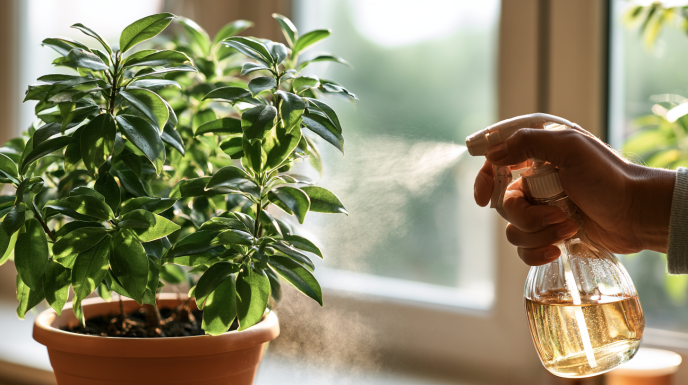
How to Get Rid of Common Houseplant Pests Naturally
This post contains affiliate links. As an Amazon Associate we earn from qualifying purchases, at no extra cost to you.
Few things are as frustrating as spotting tiny bugs on a beloved houseplant. The good news is that most common pests are easy to control with simple, natural methods, no harsh chemicals required. Here’s how to identify the usual culprits and clear them up safely.
Identify the Pest First
- Fungus gnats: Tiny black flies hovering around the soil, usually a sign of overwatering.
- Spider mites: Fine webbing and speckled, yellowing leaves; thrive in dry air.
- Mealybugs: White, cottony clusters in leaf joints.
- Aphids: Small green, black, or white insects on new growth.
- Scale: Small brown bumps stuck to stems and leaves.
Natural Treatments That Work
- Wipe them off: For mealybugs and scale, dab with a cotton swab dipped in diluted rubbing alcohol.
- Insecticidal soap or neem oil: A gentle spray that handles most soft-bodied pests over a week or two.
- Rinse the plant: A firm spray of water knocks aphids and spider mites off leaves.
- Sticky traps: Yellow sticky cards catch adult fungus gnats.
- Let soil dry: Allowing the top of the soil to dry kills fungus gnat larvae.
Treat and Repeat
Most pests have life cycles, so a single treatment rarely solves the problem. Repeat your chosen method every five to seven days for two or three weeks to catch newly hatched bugs. Always isolate an affected plant from your others while you treat it, so the pests don’t spread.
Prevent Future Infestations
Prevention is far easier than cure. Inspect new plants before bringing them home, since pests often hitch a ride. Avoid overwatering, which invites gnats and root problems. Keep leaves clean and dust-free, give plants good airflow, and check the undersides of leaves regularly so you catch any problem early.
Keep Your Plants Healthy and Pest-Free
Healthy plants resist pests far better than stressed ones, so good light, proper watering, and the occasional feeding go a long way. With quick identification and simple natural treatments, you can keep your indoor garden thriving and bug-free, without reaching for harsh chemicals. A little vigilance keeps the problem small and easy to manage.